The watch world is full of injustice. Rolex (as pointed out admirably by Andrew Morgan on YT) makes good watches, but they are neither rare nor artisanal and handmade. There are loads of watches out there which could be comparable to high-end stuff but without the right logo and following, they never get the attention they maybe deserve. The car world is similar – I often compare Seiko to Honda, who make (or made) everything from top-drawer stuff that changes the industry, down to everyday boring product that is sold by the million.
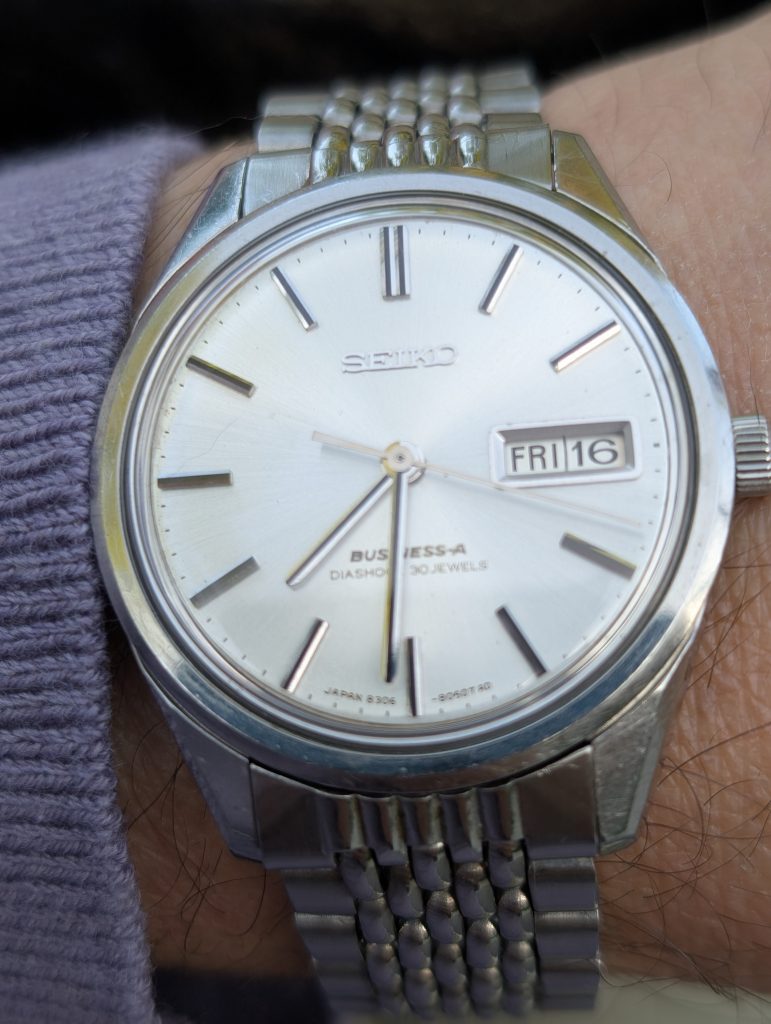
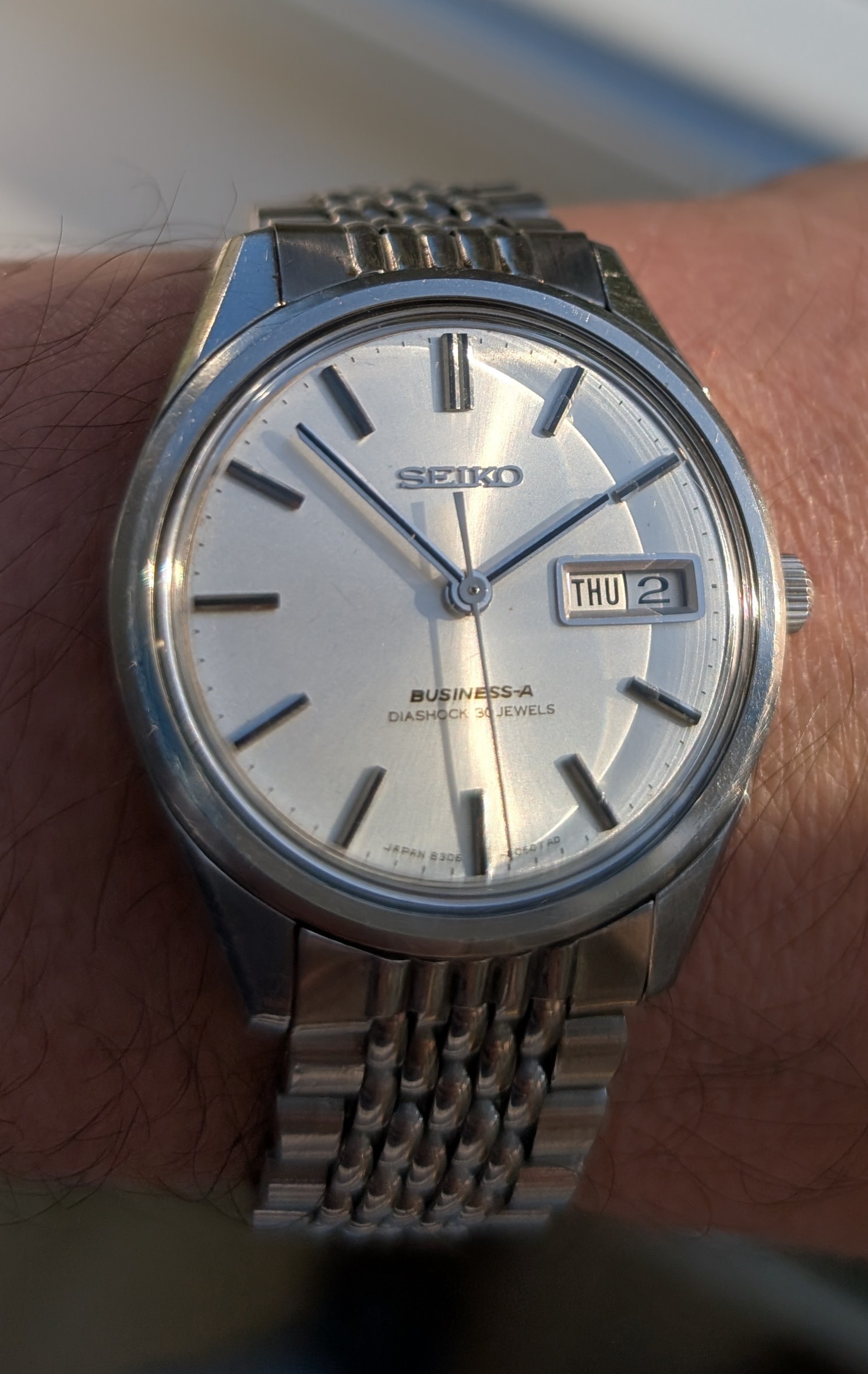
Here is an example of something off the beaten track – a Seiko 8306-8020 “Business-A”. The target market was presumably the classic Tokyo “Salaryman” if not a highfalutin Business Executives.
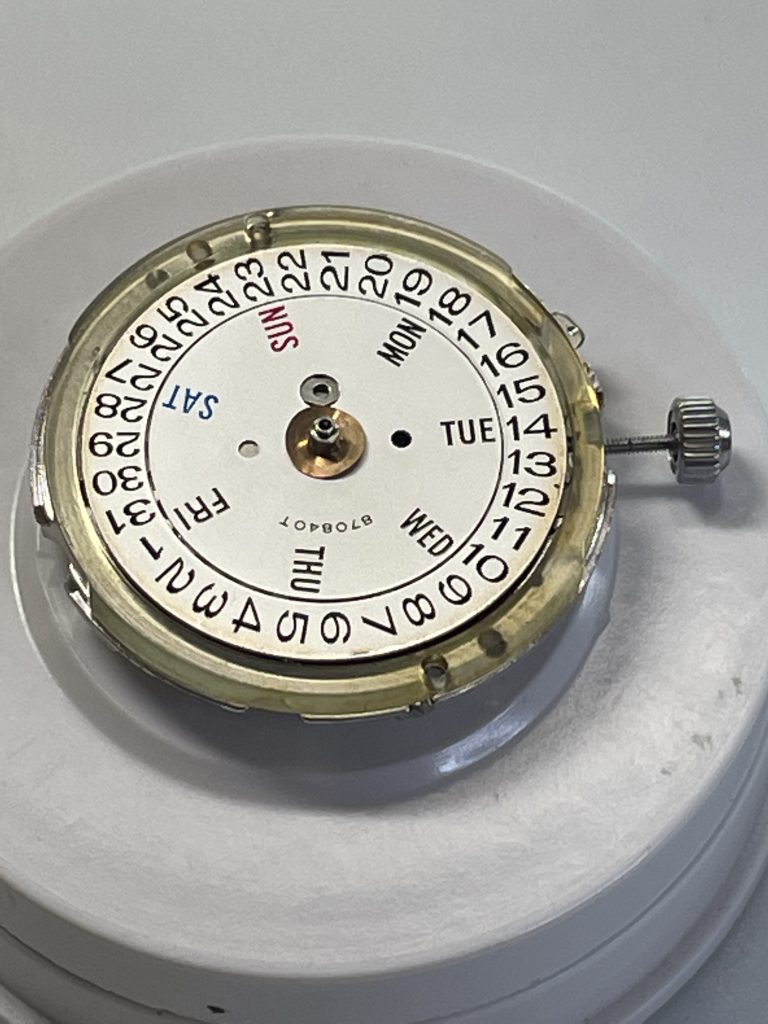
It has a thin, 30-jewel automatic movement with handwinding capabiliy, beating at a sedate 18,000bph. Seiko only made the 8300 series movements for a few years before switching to focus on Hi-Beat movements. See Rich Askham’s post on the 8306 for more details if you’re interested.
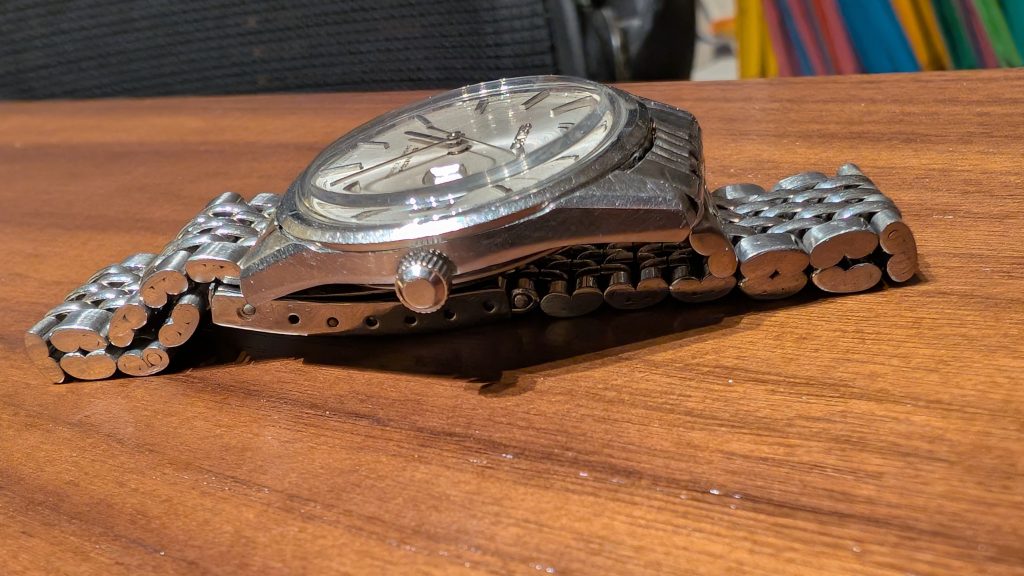
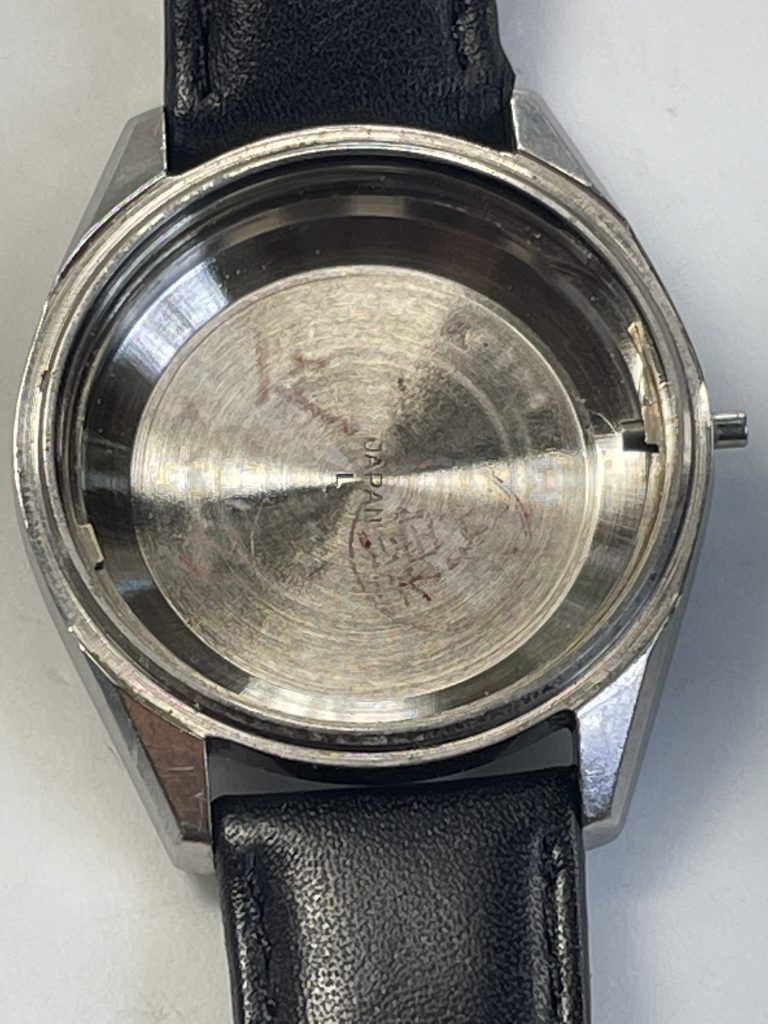
This particular watch is from July 1967. It comes in a monocoque case which means the only way to access the movement is to take the crystal out and pull everything through the front.
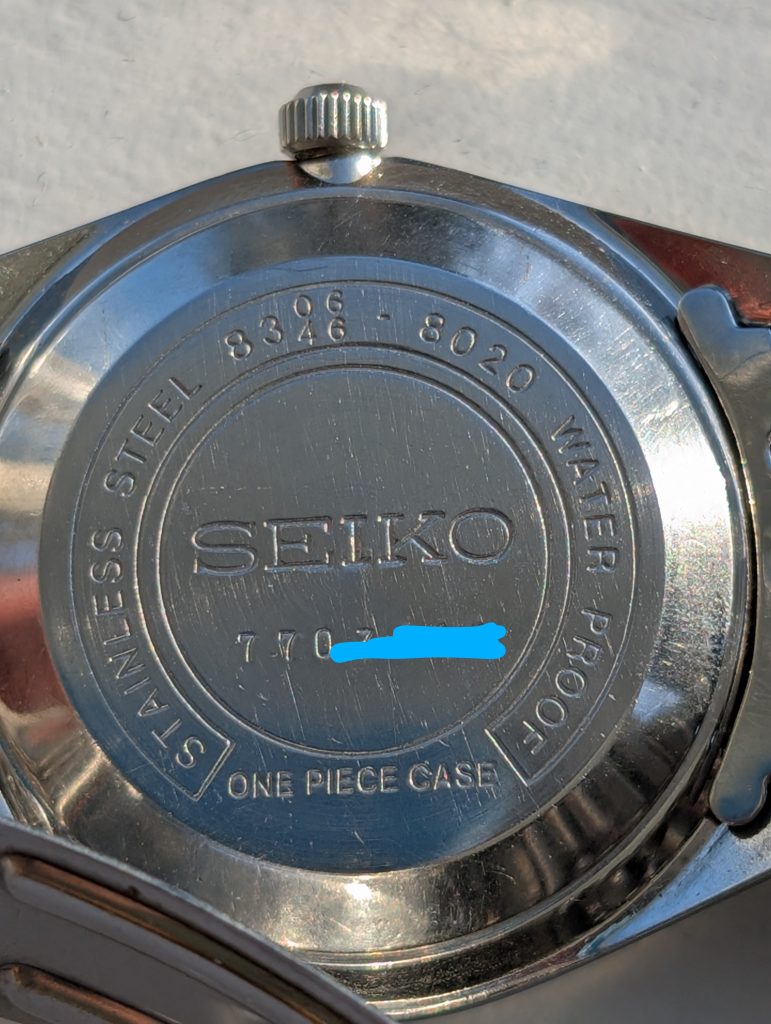
It’s the only watch I’ve seen which has two reference numbers on the back – so the same case could be used for 8306-8020 or 8346-8020 watches. As far as I can tell, the difference is just that the 8346 has only 27 jewels, and since they were going in the same case, Seiko decided to double it up. They had a separate “Seikomatic-R” range that shared the same movements and similar cases. As ever, Seiko seemed to throw everything at the wall in the 1960s and 70s.
I fitted it to a Beads of Rice bracelet which has an unbranded clasp but I think is probably a Seiko bracelet of the era, given the shape of endlinks and so on.
It doesn’t have a dual-language Day display… English only.
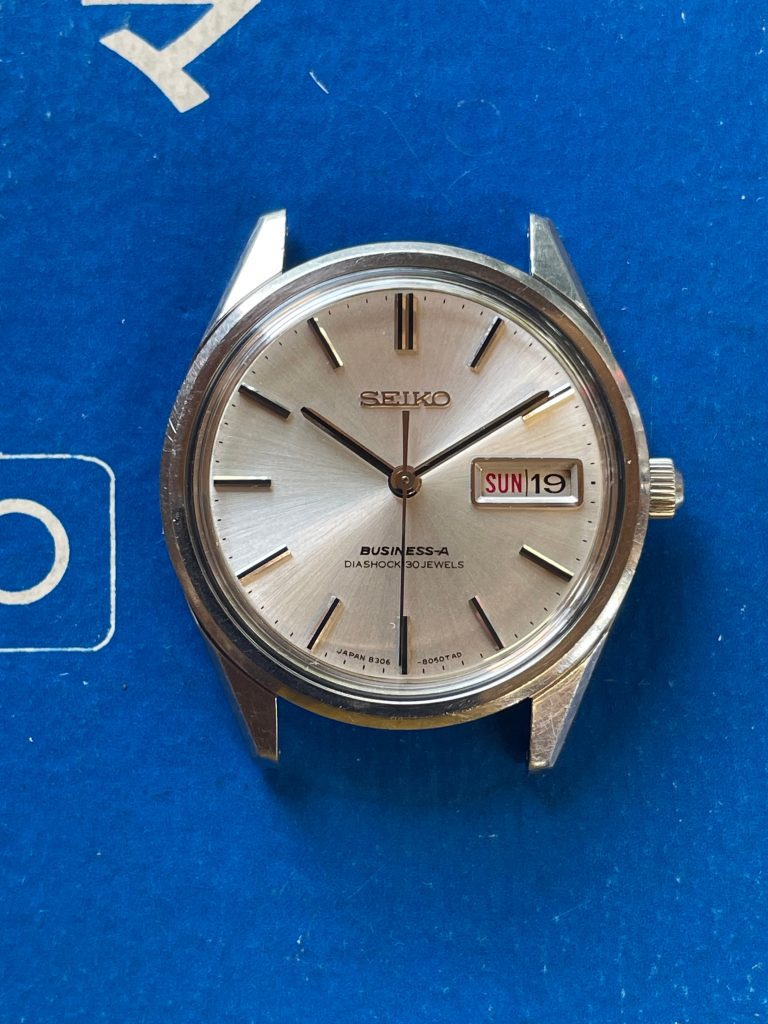
The dial and hands are simple but classy.
From the 1968 JDM catalog (the highlighted text is Japanese for “Business”):
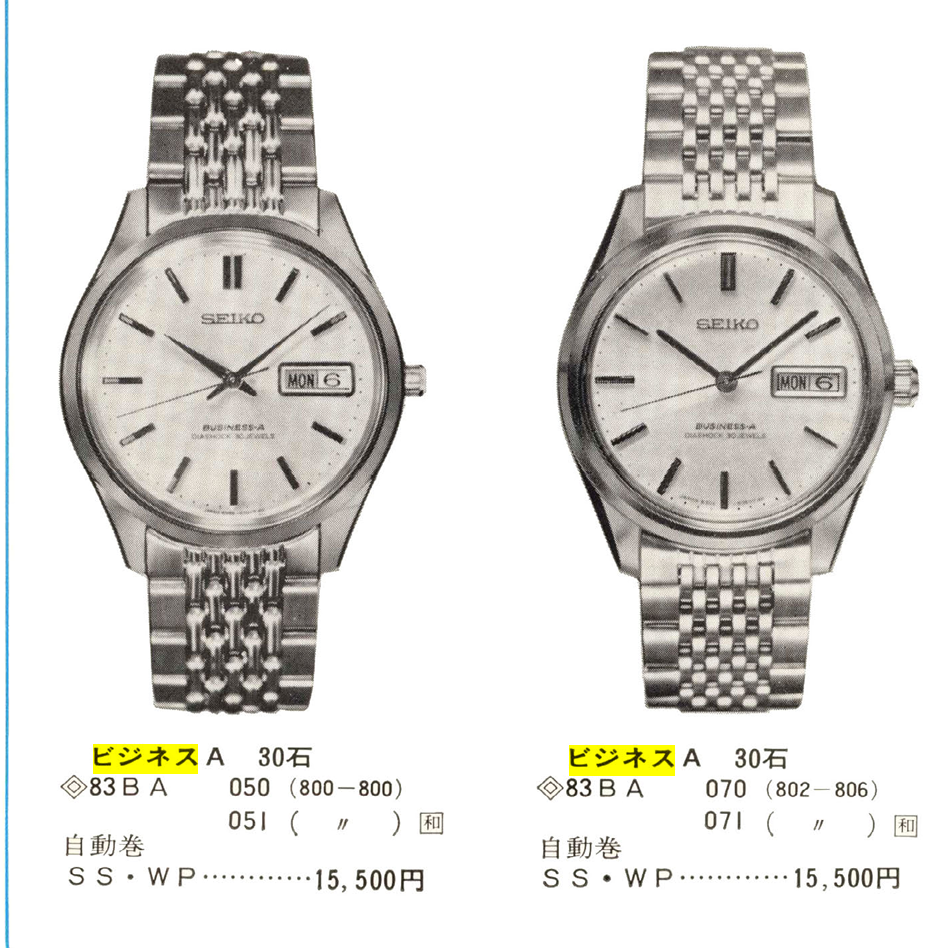
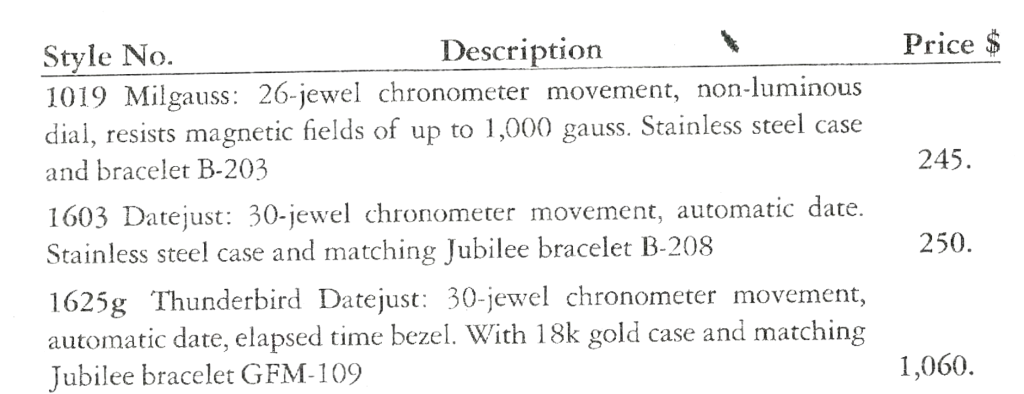
JPY15,000 in January 1968 was about $45 USD in January 1968. According to a post by Wind Vintage, a steel 1603 Rolex Datejust 30-jewel from 1968 was $250 – so about 5x the price of the Seiko. Today, you could pick up a Business-A for $300-500. These days, you’re going to need more like $3,000-5,000 for a 1603, and if you’re after a 1019 Milgauss, that might be nearer $30,000-50,000…
With the case profile and bracelet, I think the 8306-8020 Business-A is super sleek. If that had a Rolex crown on the dial in place of the Seiko logo, it would easily be 10x the price, don’t you think?